
In this activity, Dr. Nicholas Marston reviews a subgroup analysis of 3,655 patients from VESALIUS-CV trial, which evaluated evolocumab in high-risk primary prevention patients with diabetes and no known atherosclerosis. Evolocumab was associated with reduced first major cardiovascular events compared with placebo, including lower rates of 3-point and 4-point MACE, cardiovascular death, myocardial infarction, and ischemic stroke. Dr. Marston highlights the clinical importance of earlier LDL-C lowering intensification using PCSK9 inhibition in this high-risk population.
advertisement
Evolocumab in Patients Without Significant Atherosclerosis and With Diabetes: A Cardiology Perspective on VESALIUS-CV
Share
Save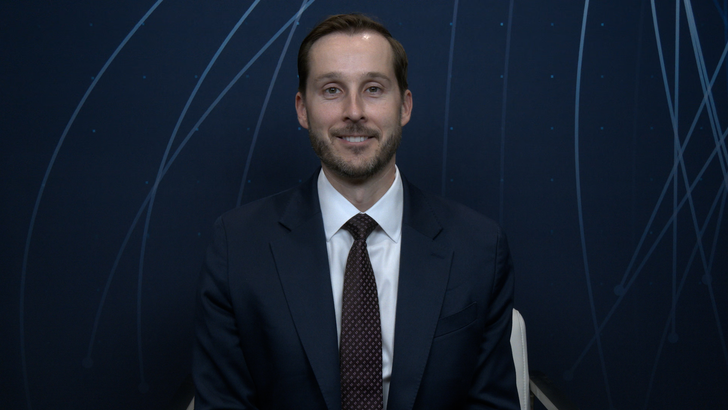
Restart
Resume
Transcript
Evolocumab in Patients Without Significant Atherosclerosis and With Diabetes: A Cardiology Perspective on VESALIUS-CV
closeShare this program on:
Choose a format
Completing the pre-test is required to access this content.
Completing the pre-survey is required to view this content.
Ready to Claim Your Credits?
You have attempts to pass this post-test. Take your time and review carefully before submitting.
Good luck!
Details
Presenters
Overview
Provider(s)/Educational Partner(s)

Today’s healthcare environment is constantly evolving and advances of medical science occur at an accelerating pace. CME/CE plays an important role in the clinical environment and is an essential element of physician training, learning, and improvement, thereby importantly contributing to optimal patient care. Since 2000, MEDCON’s mission is to deliver high quality within the world of medical education by creating forums like PACE-CME, organizing live meetings, and providing online education. We aim to stimulate the review, exchange, and assimilation of key scientific findings to improve patients’ health, to raise awareness of new science underlying various disease states, and to accelerate the translation of this information into clinical practice.Disclaimer
The views and opinions expressed in this educational activity are those of the faculty and do not necessarily represent the views of GLC. This presentation is not intended to define an exclusive course of patient management; the participant should use his/her clinical judgment, knowledge, experience, and diagnostic skills in applying or adopting for professional use any of the information provided herein. Any procedures, medications, or other courses of diagnosis or treatment discussed or suggested in this activity should not be used by clinicians without evaluation of their patients’ conditions and contraindications or dangers in use, review of any applicable manufacturer’s product information, and comparison with recommendations of other authorities. Links to other sites may be provided as additional sources of information.
Reproduction Prohibited
Reproduction of this material is not permitted without written permission from the copyright owner.

Recommended
Details
Presenters
Overview
In this activity, Dr. Nicholas Marston reviews a subgroup analysis of 3,655 patients from VESALIUS-CV trial, which evaluated evolocumab in high-risk primary prevention patients with diabetes and no known atherosclerosis. Evolocumab was associated with reduced first major cardiovascular events compared with placebo, including lower rates of 3-point and 4-point MACE, cardiovascular death, myocardial infarction, and ischemic stroke. Dr. Marston highlights the clinical importance of earlier LDL-C lowering intensification using PCSK9 inhibition in this high-risk population.
Provider(s)/Educational Partner(s)
Today’s healthcare environment is constantly evolving and advances of medical science occur at an accelerating pace. CME/CE plays an important role in the clinical environment and is an essential element of physician training, learning, and improvement, thereby importantly contributing to optimal patient care. Since 2000, MEDCON’s mission is to deliver high quality within the world of medical education by creating forums like PACE-CME, organizing live meetings, and providing online education. We aim to stimulate the review, exchange, and assimilation of key scientific findings to improve patients’ health, to raise awareness of new science underlying various disease states, and to accelerate the translation of this information into clinical practice.Disclaimer
The views and opinions expressed in this educational activity are those of the faculty and do not necessarily represent the views of GLC. This presentation is not intended to define an exclusive course of patient management; the participant should use his/her clinical judgment, knowledge, experience, and diagnostic skills in applying or adopting for professional use any of the information provided herein. Any procedures, medications, or other courses of diagnosis or treatment discussed or suggested in this activity should not be used by clinicians without evaluation of their patients’ conditions and contraindications or dangers in use, review of any applicable manufacturer’s product information, and comparison with recommendations of other authorities. Links to other sites may be provided as additional sources of information.
Reproduction Prohibited
Reproduction of this material is not permitted without written permission from the copyright owner.
Title
Program Chapters
Segment Chapters
Playlist:
advertisement
Recommended
Register
We’re glad to see you’re enjoying ReachMD…
but how about a more personalized experience?